The short answer: For dull, uneven skin tone, the strongest picks are the 10% Vitamin C Brightening Serum and 2% Alpha Arbutin Depigmentation Serum for tone, the 10% Niacinamide Spot Correcting Serum for post-mark evening, and the 2% Hyaluronic Acid Dewy Skin Serum for the dehydration-driven dullness that shows up once indoor heating starts. Visible change typically takes 8-12 weeks of consistent daily use.
Key takeaways
- Winter dullness is often a hydration problem before it's a pigmentation problem; indoor heating and low humidity dry out the stratum corneum, which reads as a rough, dull surface.
- Post-inflammatory hyperpigmentation (PIH) shows up more visibly and lingers longer on deeper Indian skin tones than on lighter ones.
- Vitamin C, alpha arbutin, and niacinamide all target tone through different, non-overlapping mechanisms, which is why they're layered rather than used interchangeably.
- None of these actives work without daily SPF; unprotected skin can re-darken and undo weeks of progress.
As the weather cools, skin that looked fine in August can start to look flat, patchy, or grey by October, and it isn't always a new problem. It's usually two old ones (dehydration and slower cell turnover) showing up at once. This roundup covers four brightening serums that genuinely address dull, uneven skin tone, why each one earns its place, and how to use them without over-layering.
Why does skin look dull and uneven going into winter?
Dry skin has a distinctive look: a "dull surface with a rough, scaly quality" that becomes "less pliable" as the outer barrier loses lipids and water. Cooler air holds less moisture, and indoor heating strips it further; DermNet lists "excessive air conditioning" and "direct heat from a fire or fan heater" among the environmental triggers that damage the skin's ability to hold onto water. When the surface is dehydrated, it scatters light unevenly instead of reflecting it smoothly, which is part of why skin looks dull rather than radiant.
Uneven tone is a separate but overlapping issue. Post-inflammatory hyperpigmentation (PIH), the patchy darkening left behind by acne, irritation, or injury, "is mostly observed in darker skin types," where it appears more intensely and takes longer to fade than in lighter skin. For most Indian skin tones, this means a single breakout or irritated patch can leave a visible mark for months if it isn't managed early, which is exactly the case for treating dull, uneven skin tone with a serum routine rather than a single product.
What are the best brightening serums for dull, uneven skin tone?
Explore these picks in the Face Serums & Treatments collection.
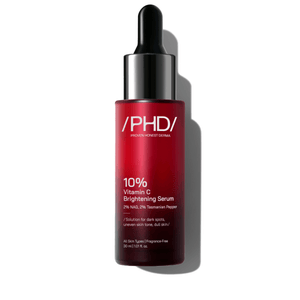
1. 10% Vitamin C Brightening Serum
Why it helps: Topical vitamin C's main job is antioxidant defense; it helps offset the free-radical damage that dulls skin over time and "may play a part in the collagen biosynthetic pathway". DermNet is also honest that unstable vitamin C forms often don't penetrate well or hold up in formulation, which is a real category-wide issue worth knowing before you buy any vitamin C serum, not just this one.
Key actives: 10% 3-O-Ethyl Ascorbic Acid (a more stable vitamin C derivative), niacinamide, ferulic acid, coenzyme Q10, sodium hyaluronate.
How to use it: Apply 2-3 drops to cleansed, dry skin once daily, then follow with a moisturizer; if used in the morning, finish with SPF.
2. 2% Alpha Arbutin Depigmentation Serum
Why it helps: Alpha arbutin is a gentler, glycosylated relative of hydroquinone, the reference ingredient dermatology uses for pigment control. Hydroquinone works by "reversible inhibition of tyrosinase, an enzyme involved in converting" precursor molecules into melanin, and arbutin is understood to act on the same pathway at a lower potency, which is also why arbutin appears on DermNet's own list of options used specifically for post-inflammatory hyperpigmentation, alongside niacinamide and vitamin C.
Key actives: 2% Alpha Arbutin, Tyrobright™ (a niacinamide-containing brightening complex), sodium hyaluronate, panthenol.
How to use it: Apply 2-3 drops once daily to clean skin, in a routine that doesn't also include a salicylic acid or other exfoliating serum on the same night.
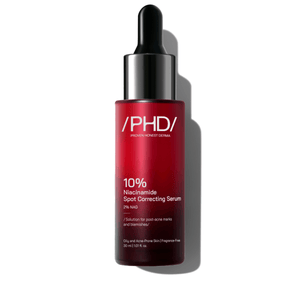
3. 10% Niacinamide Spot Correcting Serum
Why it helps: Niacinamide is one of the ingredients DermNet specifically names for post-inflammatory hyperpigmentation, and its added N-acetyl glucosamine (NAG) is listed for hydration alongside spot correction. It's a reasonable pick for uneven tone that comes with visible texture or oiliness, since niacinamide is also positioned for barrier support and oil regulation rather than pigment-fading alone.
Key actives: 10% niacinamide, 2% N-acetyl glucosamine, arbutin, Centella asiatica (cica).
How to use it: Apply 2-3 drops once daily to cleansed skin, followed by moisturizer and SPF in the morning.
4. 2% Hyaluronic Acid Dewy Skin Serum
Why it helps: This one addresses the hydration half of winter dullness directly. The product page positions it for "compromised skin barrier, dull, dry and dehydrated skin," which lines up with the mechanism DermNet describes for dry-skin dullness: a depleted, water-poor surface looks rough and flat rather than smooth and reflective. It's a supporting serum, not a pigment-corrector; pair it with one of the tone-focused serums above rather than using it alone for uneven tone.
Key actives: A triple molecular-weight hyaluronic acid complex, polyglutamic acid, panthenol, glycerin, urea, trehalose.
How to use it: Apply 2-3 drops once daily to damp, cleansed skin before moisturizer; works well layered under a vitamin C or niacinamide serum rather than instead of one.
How should you layer these serums without irritation?
Not all four belong in the same routine at once. A realistic build for dull, uneven skin tone looks like: hyaluronic acid serum on damp skin, then either the vitamin C serum (AM) or the alpha arbutin/niacinamide serum (PM), followed by a moisturizer, and SPF every morning regardless of which actives were used. If you're also using an exfoliating acid elsewhere in your routine, keep it on separate nights from the arbutin or niacinamide serum to keep irritation risk low while skin adjusts.
When should you see a dermatologist about uneven skin tone?
Consistent use of brightening actives for eight to twelve weeks is the realistic timeline before judging whether a routine is working. If pigmentation isn't fading at all in that window, is symmetrical across both cheeks (a possible sign of melasma, which needs a different treatment approach), or comes with other symptoms like unusual hair growth or fatigue, it's worth having a dermatologist rule out a hormonal or medical cause rather than continuing to rotate topical products on your own.
Frequently asked questions
What causes dull, uneven skin tone in winter?
Dull, uneven skin tone in winter is usually driven by two overlapping factors: a dehydrated barrier from low humidity and indoor heating, which makes the surface look rough and flat, and slower cell turnover in cooler months, which lets dead skin cells and old pigment sit on the surface longer than they would in summer.
What are the best brightening serums for dull, uneven skin tone?
The strongest combination for dull, uneven skin tone is a vitamin C or alpha arbutin serum for pigment, a niacinamide serum for post-mark evening and barrier support, and a hyaluronic acid serum for the dehydration that makes dullness worse in winter.
How long does it take to see results from vitamin C and niacinamide serums?
Most people using vitamin C or niacinamide serums daily see early improvements in radiance within 2-4 weeks, but visible change in pigmentation and tone evenness typically needs 8-12 weeks of consistent use, since melanin turnover and skin renewal are gradual processes.
Can vitamin C serum and alpha arbutin serum be used together?
Vitamin C and alpha arbutin serums can be used together, but it's generally simpler to use one in the morning and the other at night rather than layering both at once, to reduce the chance of irritation and make it easier to tell which product is doing what.
What should these brightening serums not be combined with?
Alpha arbutin and niacinamide serums shouldn't be layered on the same night as strong exfoliating acids or retinoids, and any routine using vitamin C, arbutin, or niacinamide needs daily broad-spectrum sunscreen, since unprotected sun exposure can undo the tone-evening progress these actives provide.
Are these serums suitable for darker Indian skin tones?
Yes, darker skin tones are actually more prone to visible post-inflammatory hyperpigmentation than lighter skin, since dark marks show up more intensely and take longer to fade, which makes consistent use of tone-targeting serums and daily sunscreen especially relevant for Indian skin.
When should I see a dermatologist about uneven skin tone?
See a dermatologist if pigmentation hasn't improved at all after 8-12 weeks of consistent topical care, if it appears symmetrically on both sides of the face, or if it's accompanied by other symptoms, since these can point to melasma or an underlying hormonal condition that needs a different treatment plan than over-the-counter actives alone.