Reviewed by Dr. Shweta Lamba Narula,
Retinol is a form of vitamin A that converts to retinoic acid in the skin, accelerating cell turnover, stimulating collagen synthesis, and normalising follicular keratinisation. It is supported by decades of clinical evidence for acne, fine lines, and skin texture improvement. The adjustment period, dryness, peeling, and sensitivity in the first 2-6 weeks, is the main reason beginners abandon it too soon. Starting at 0.3% and using twice weekly before increasing frequency minimises this adjustment while still delivering measurable results at 12-16 weeks.
Retinol vs Tretinoin: What OTC Can and Cannot Do
Topical retinoids normalise follicular keratinisation, stimulate collagen synthesis, and reduce comedone formation. They are recommended as first-line for both acne and photoageing. Tretinoin (prescription) acts directly as retinoic acid; retinol converts to retinoic acid in skin, making it slower-acting but more tolerable.
OTC retinol at 0.3% takes longer than prescription tretinoin to show equivalent results, but allows the skin to build tolerance gradually. For unsupervised use, which describes most Indian skincare routines, starting with OTC retinol is the clinically sensible, safer approach.
What Is the Biology of the Retinol Adjustment Period?
In the first 2-4 weeks, retinol accelerates cell turnover faster than the skin's normal cycle can manage, causing dryness, flaking, and temporary redness. This is normal and expected; it is not an allergy. The skin adapts by upregulating its own retinol-metabolising enzymes. Most people who persist past the adjustment period find their skin settles into the routine by week 6-8.
"Retinol purging" is also common: existing microcomedones surface faster than usual in the first 4-6 weeks. True purging occurs in the same areas where you normally break out. If new breakouts appear in previously clear areas and do not resolve by 6-8 weeks, it is not purging; reassess the routine.
PHD 0.3% Retinol vs International Options
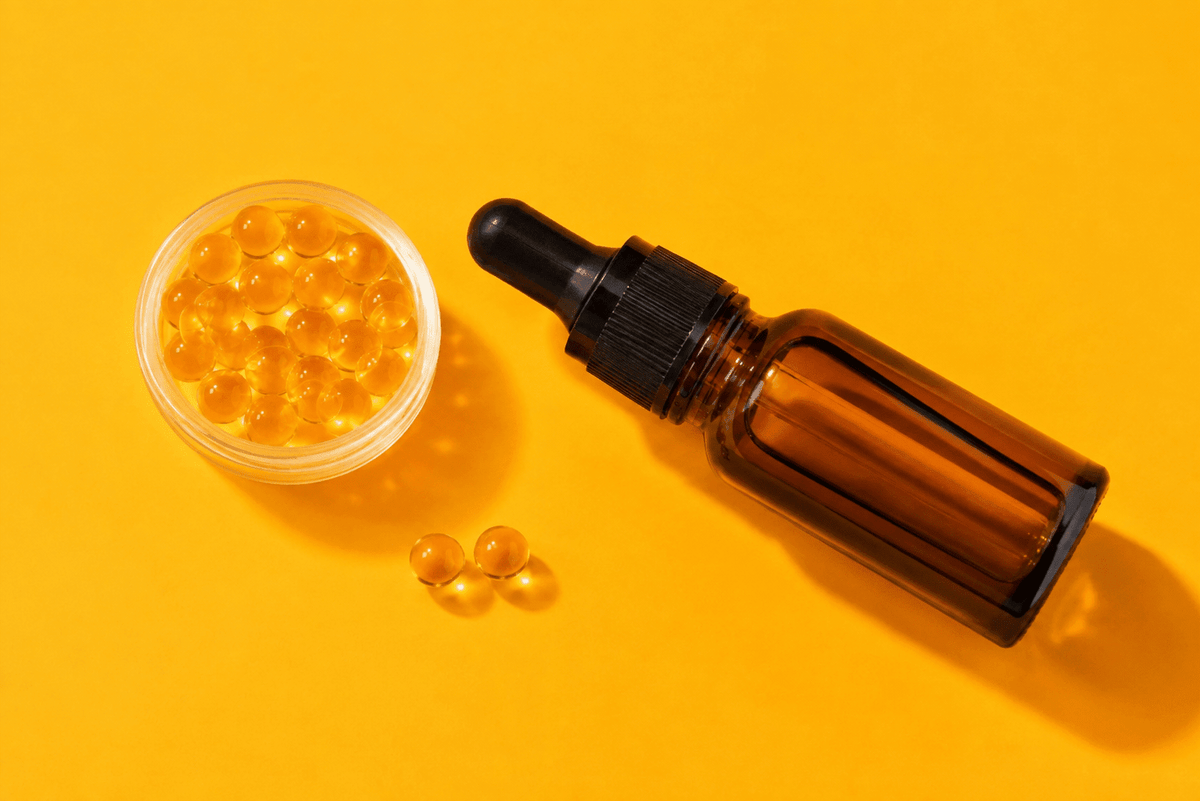
PHD Beauty 0.3% Pure Retinol Face Serum is formulated at 0.3% pure retinol in a serum base with stabilising ingredients to reduce oxidation. The packaging is designed to protect the retinol from light degradation.
How it Compares
- The Ordinary Retinol 0.3% in Squalane (The Ordinary, Canada): 0.3% retinol in squalane | All types | ~₹1,200 imported
- CeraVe Skin Renewing Retinol Serum (CeraVe, USA): 0.3% encapsulated retinol | All types | ~₹2,500 imported
- Paula's Choice 1% Retinol Treatment (Paula's Choice, USA): 1% retinol | Normal/Oily | ~₹5,500 imported
PHD matches The Ordinary and CeraVe at the 0.3% beginner concentration. CeraVe uses encapsulated retinol for slower, gentler release; /PHD/ uses pure retinol in a tolerability-focused base.
The Slow Start Protocol
- Week 1-2: Once a week.
- Week 3-4: Twice a week.
- Week 5-6: Every other night.
- Week 7+: Nightly (if tolerated).
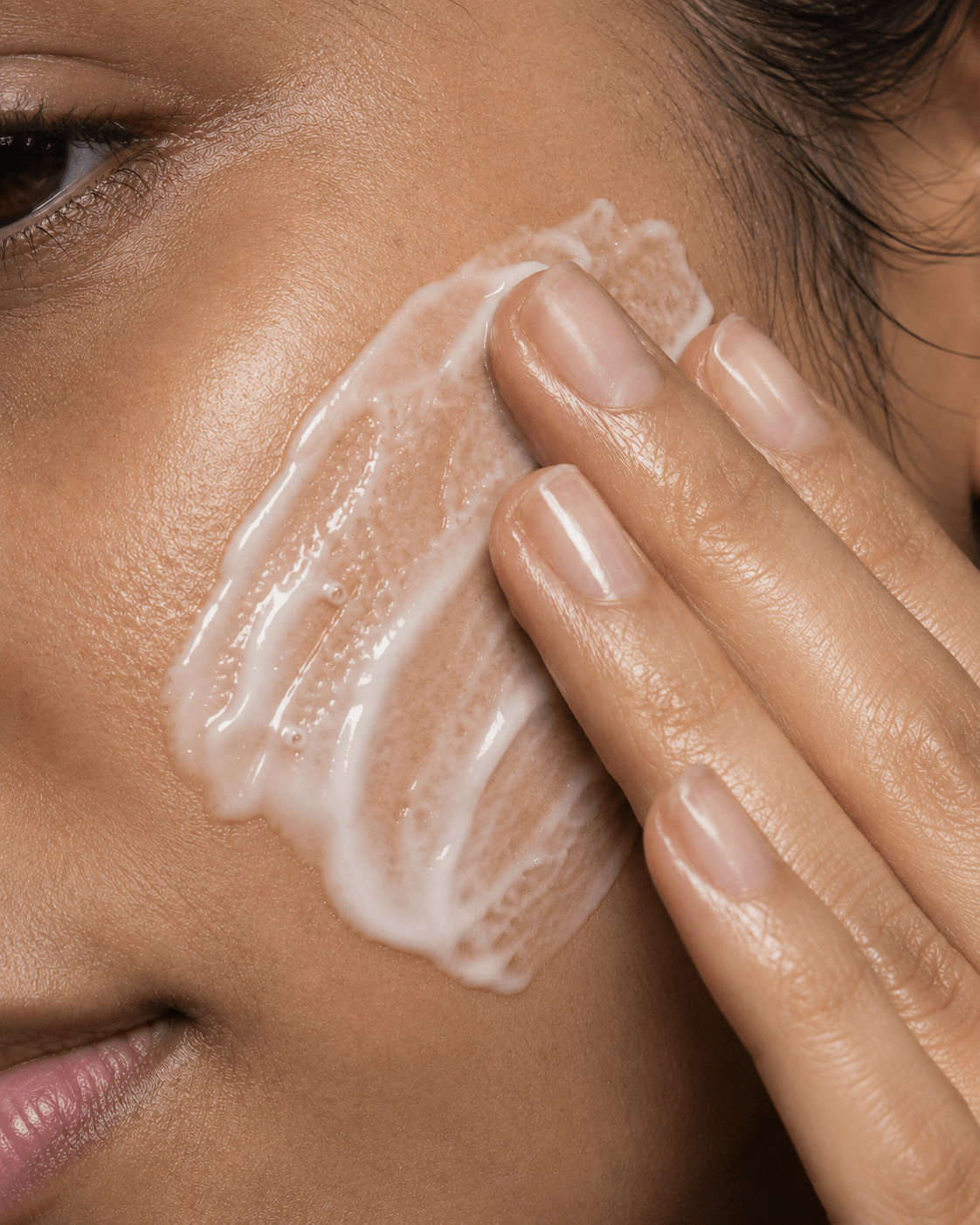
Always use at night only. Apply a pea-size amount to dry face. Buffer with moisturiser on top immediately. No AHAs/BHAs on the same night.
Frequently Asked Questions
Can I use retinol on acne-prone skin?
Yes. Retinol normalises follicular keratinisation, which is the root cause of comedonal acne. Expect a purging phase in the first 4-6 weeks where existing congestion surfaces faster.
Is retinol safe during pregnancy?
No. All topical retinoids, including OTC retinol, are contraindicated during pregnancy and breastfeeding. Consult a dermatologist for safe alternatives.
How do I know if my retinol is working?
After the adjustment period (4-6 weeks), skin should feel smoother in texture. After 12-16 weeks, improvement in fine lines, pore size, and skin tone becomes visible.
Can I use niacinamide with retinol?
Yes. Niacinamide soothes retinol-induced irritation and supports the barrier. Many dermatologists recommend combining them; apply niacinamide first or mix a small amount into the moisturiser used after retinol.
How should I store retinol serum?
Cool, dark cupboard. Not the bathroom shelf. Retinol degrades with air, light, and heat exposure. Discard if it darkens noticeably.