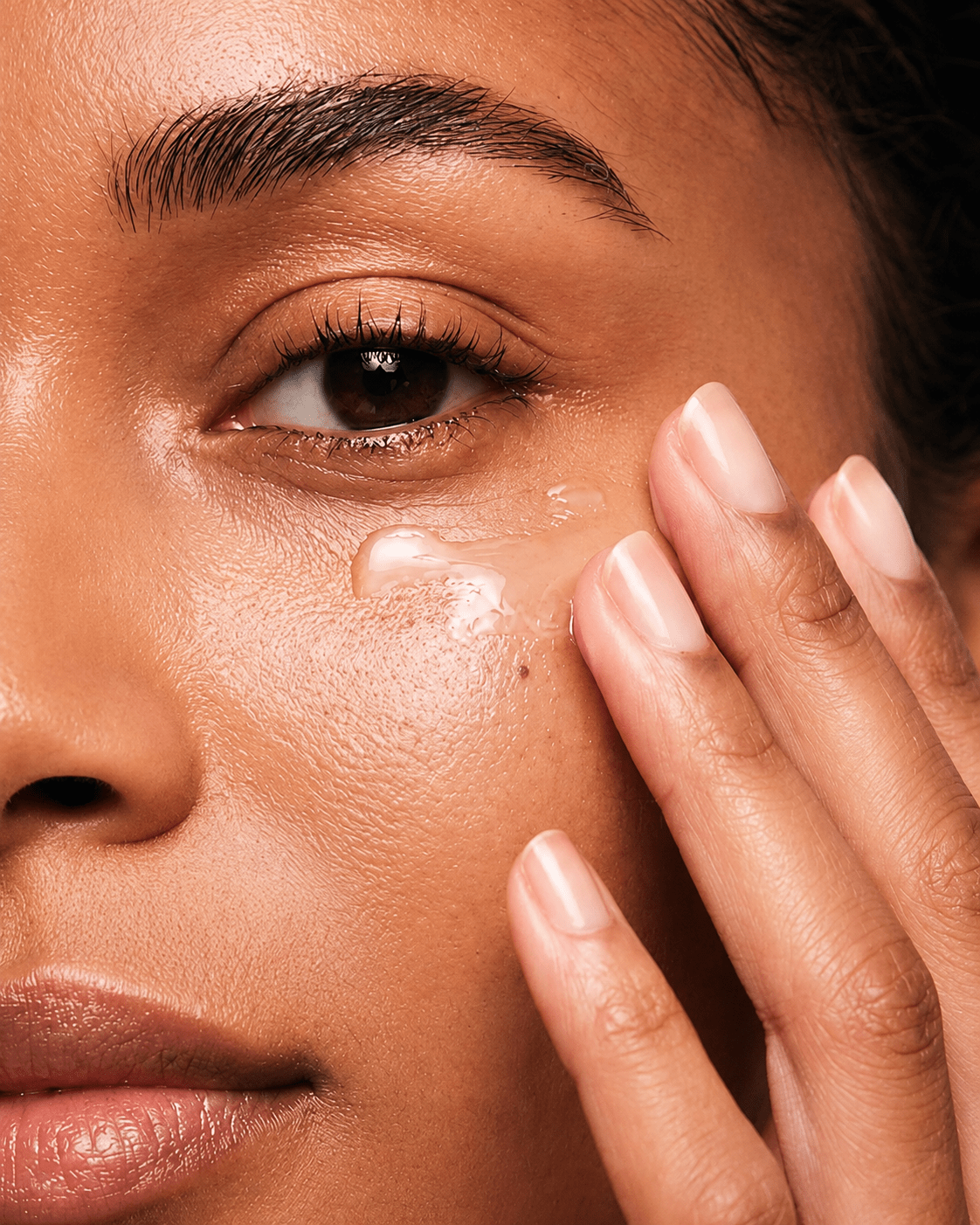
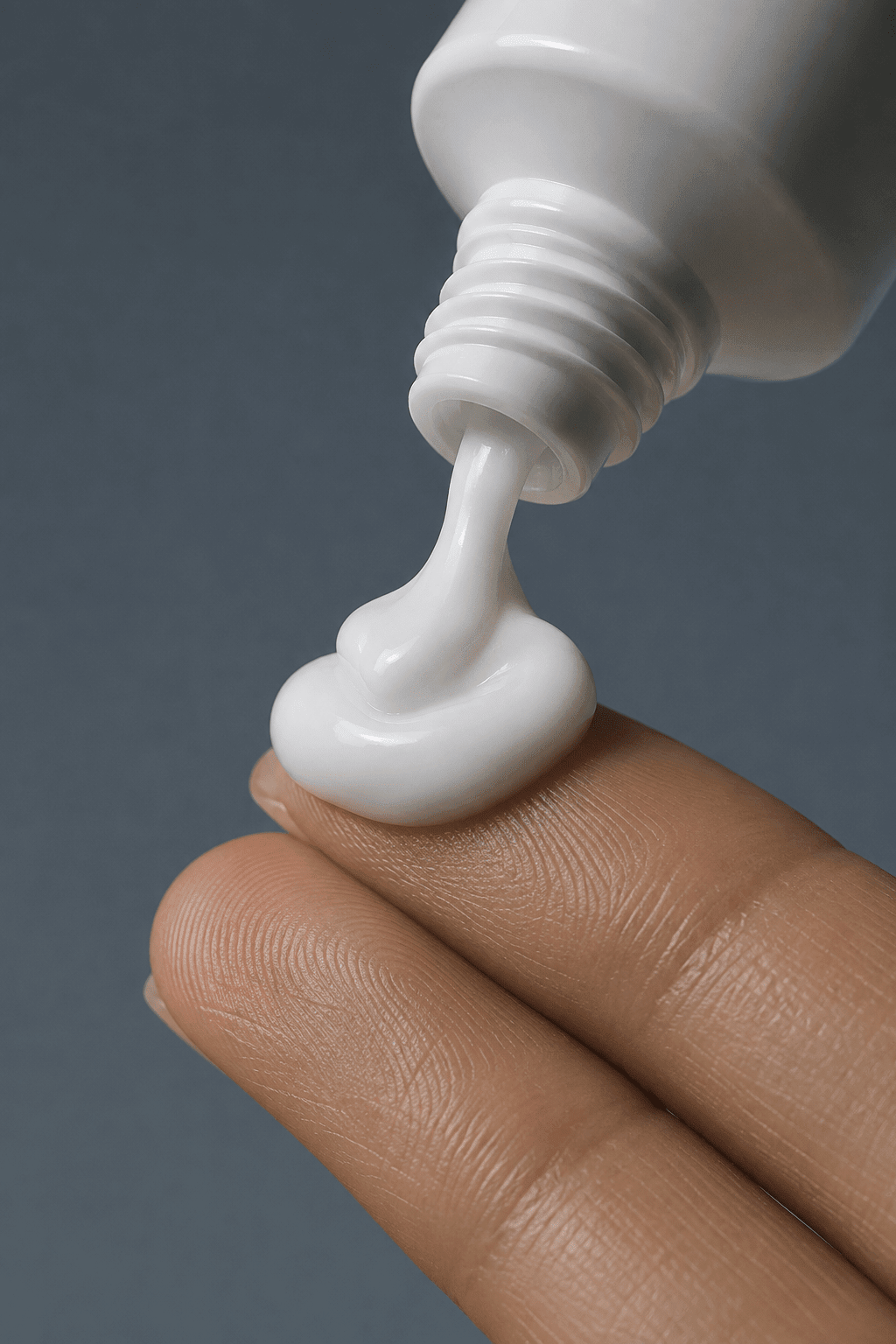
Oily skin still requires moisturisation. Skipping it strips the moisture barrier and can trigger compensatory sebum production, increasing oiliness over time. The solution is a lightweight, oil-free, non-comedogenic moisturiser, one formulated without pore-blocking emollients. Adding 3–5% niacinamide to the base provides sebum regulation and mild anti-inflammatory benefit beyond hydration, making the moisturiser do double duty for oily and acne-prone skin. Water-gel and gel-cream formats hydrate without adding shine or heaviness.
Why Oily Skin Still Needs Moisture?
Sebum overproduction in acne is driven by androgen signalling, follicular hyperkeratinisation, and C. acnes, not by surface moisture. However, stripping the skin with harsh cleansers or skipping moisturiser can increase TEWL, which the skin compensates for with increased sebum output.
This cycle explains why some people with oily skin find their oiliness gets worse over time despite aggressive cleansing and no moisturiser. The appropriate solution is a lightweight, non-comedogenic gel moisturiser that provides hydration without adding oils.
What Non-Comedogenic Actually Means?
Non-comedogenic means the formula avoids ingredients known to block follicles in the majority of users. Common comedogenic ingredients: isopropyl myristate, coconut oil, shea butter in high concentrations. Safe for oily skin: niacinamide, hyaluronic acid, glycerin, aloe vera, and lightweight humectants. Water-gel texture is the typical format because it delivers hydration through the water phase rather than heavy wax or oil.
PHD 3% Niacinamide Oil-Free Moisturizer vs International Options
PHD Beauty 3% Niacinamide Oil-Free Moisturizer adds 3% niacinamide to a gel-cream oil-free base. The niacinamide provides sebum-regulation and anti-inflammatory benefit beyond basic hydration. It is designed for twice-daily use as the final hydration step.
How it compares?
- Neutrogena Hydro Boost Water Gel, HA water-gel, oil-free | Normal/Oily
- The Ordinary Natural Moisturising Factors + HA, NMF + HA base | All types
- La Roche-Posay Effaclar Mat, Sebulyse technology | Oily
PHD differentiates by including 3% niacinamide as an active in the base. The others above do not list niacinamide as a primary active, making /PHD/ the better-suited option for oily skin with concurrent dark spots or enlarged pores.
How to Use It in a Full Routine?
Morning: cleanser → niacinamide oil-free moisturiser → sunscreen. Night: cleanser → active serum (retinol or BHA) → niacinamide moisturiser. On retinol nights, apply the moisturiser immediately after the active has absorbed to buffer and support the barrier.
Frequently Asked Questions
Can I skip moisturiser if my skin is very oily?
Skipping moisturiser is likely to increase oiliness over time. Use a lightweight gel formula. It will not add shine and will prevent the dehydration-sebum compensation cycle.
What is 3% niacinamide vs 10%?
3% is a gentle maintenance level suited to twice-daily moisturiser use. 10% is a higher-concentration active level for targeted serums. Both are effective; 3% is better for long-term daily use without over-exposure.
Is gel moisturiser better than cream for oily skin?
In a humid climate, yes. Gel and water-gel textures hydrate without occlusive layers that trap heat. Cream textures are better suited to dry skin and colder months.
Can I layer SPF over this moisturiser?
Yes. Allow 1–2 minutes for the moisturiser to absorb, then apply your sunscreen.
Will it cause breakouts?
It is formulated non-comedogenic. Individual responses vary. If new breakouts occur in previously clear areas, assess all recent routine additions one at a time.