Reviewed by Dr. Shweta Lamba Narula,
Ceramides comprise approximately 50% of the stratum corneum lipid matrix, which acts as the skin's moisture barrier. When ceramide levels drop, from over-exfoliation, harsh cleansers, UV damage, or dry air, transepidermal water loss increases, the skin becomes reactive and sensitive, and previously tolerated actives begin to sting. Topical ceramide replenishment significantly reduces TEWL within days, and visible barrier recovery occurs within 2-4 weeks. The primary rule during repair: strip the routine back to cleanser, ceramide cream, and SPF only.
How to Recognise a Compromised Skin Barrier?
The clearest sign is burning or stinging from previously tolerated products, including plain water. Other signs: persistent redness that moisturiser does not resolve, new sensitivity in areas that were previously clear, visible flaking without active exfoliation, and chronic tightness after applying any product. In the Indian context, barrier damage is most commonly caused by over-use of AHAs or BHAs, over-washing in an attempt to control oiliness, or rapid product-switching without allowing the skin to adapt.
What Is the Science of Ceramides and Barrier Function?
The stratum corneum lipid bilayers consist primarily of ceramides, cholesterol, and free fatty acids. Ceramide deficiency is associated with increased TEWL and inflammatory skin conditions including atopic dermatitis. Topical formulations containing ceramides restore the barrier's structural integrity and reduce TEWL measurably. (DermNet, Atopic Dermatitis)
Ceramides are not just moisturising ingredients, they are structural components of the barrier. A ceramide cream works differently from a hyaluronic acid serum: rather than adding water to the skin, it rebuilds the lipid scaffolding that prevents water from leaving.
PHD 1% Ceramides Repair Cream vs International Options
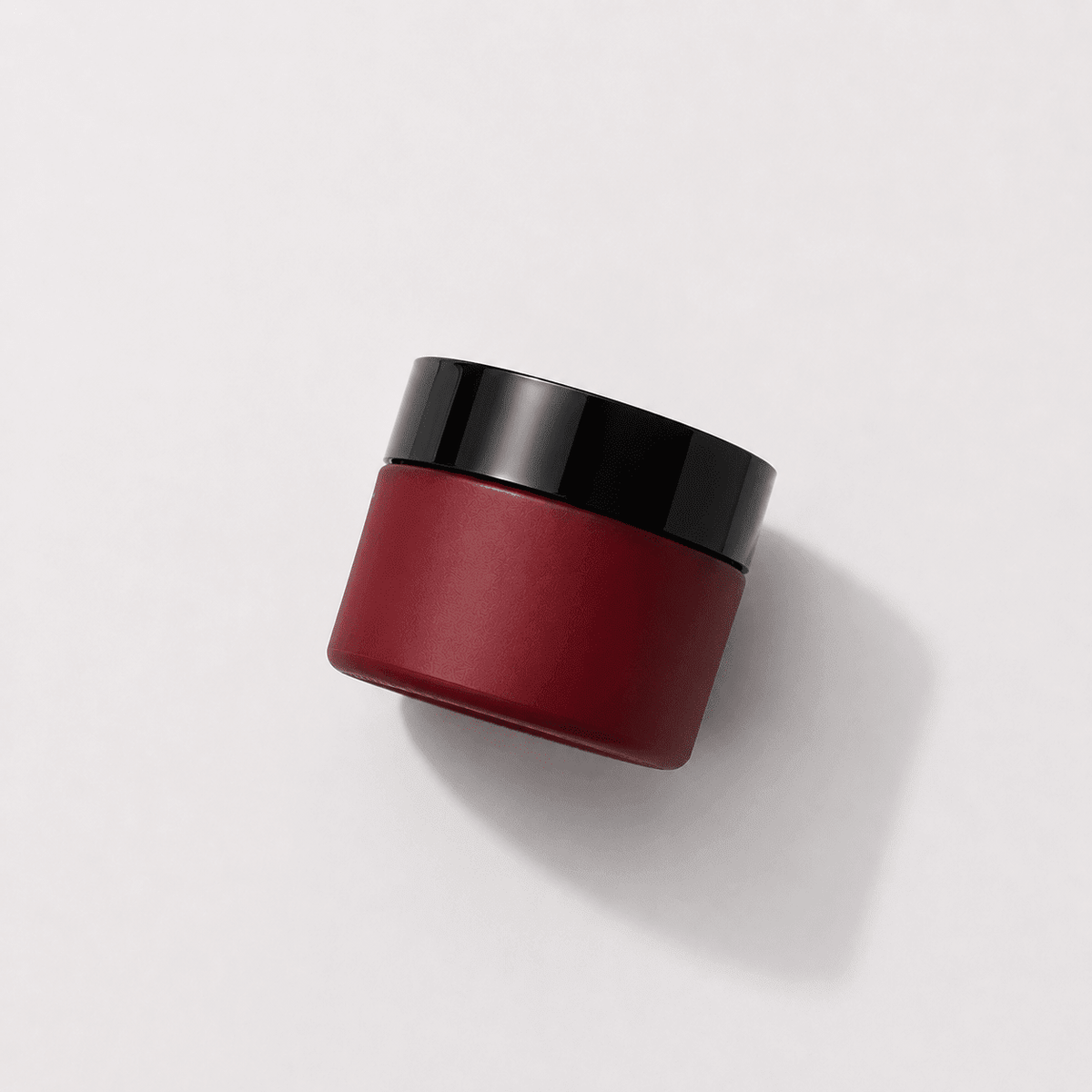
PHD Beauty 1% Ceramides Intensive Repair Cream is formulated with 1% ceramides in a rich cream base alongside complementary emollients. Designed as the last step in a nighttime routine and as the primary moisturiser during a barrier repair protocol.
How it compares:
- CeraVe Moisturizing Cream - Ceramide complex + HA | All types, esp. dry
- La Roche-Posay Toleriane Sensitive Rich - Ceramide NP + prebiotic water | Sensitive/Dry
- Drunk Elephant Lala Retro Whipped Cream - Ceramide blend + squalane | All types
The Barrier Repair Protocol
Phase 1 (2-4 weeks): Gentle ceramide cleanser + ceramide cream (morning and night) + SPF in the morning only. No actives. No exfoliants. No retinol.
Phase 2 (reintroduction): Once burning/stinging has stopped for at least one week, introduce one active at a time. Start with niacinamide (gentlest), then glycolic acid, then retinol last. Allow 2-3 weeks per introduction.
Frequently Asked Questions
How do I tell if my skin is damaged vs just oily?
Oily skin produces sebum but does not typically sting. If your skin burns with water, stings with products you previously tolerated, and feels reactive despite moisturising, that is a barrier issue, not oiliness.
Can I use a ceramide cream if I have acne?
Yes. Non-comedogenic ceramide formulations are suitable for acne-prone skin. A healthy barrier actually helps manage acne by reducing the skin's inflammatory reactivity.
How long does barrier repair take?
Meaningful improvement in comfort within 2-4 weeks. Full structural repair (one complete epidermal cell cycle) takes approximately 28 days.
Which ingredients should I avoid during repair?
High-concentration AHAs (>5%), BHAs, retinol at full strength, direct acids, and fragranced products. Return to these gradually in Phase 2.
Can I use ceramide cream in the morning?
Yes, as your final moisturiser step under sunscreen in the morning. PHD Beauty 1% Ceramides Intensive Repair Cream helps maintain barrier function throughout the day against environmental stressors.